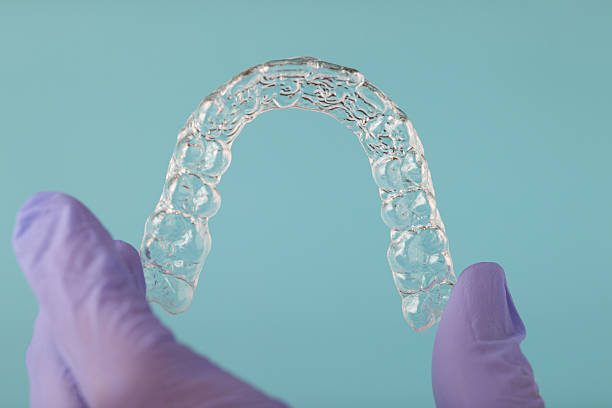
A single twisted tooth can stand out in your smile, even when the rest of your teeth look fairly straight. If you’re considering Invisalign in Charlotte, NC, you may wonder whether clear aligners can turn that tooth back into line. This guide explains how Invisalign for rotated teeth works, which teeth are harder to move, and how to keep your results stable.
Can Invisalign Straighten Teeth That Are Rotated or Twisted?
Yes, Invisalign can correct many rotated teeth. Predictability depends on four factors: which tooth is involved, how far it’s rotated, available space, and how well the aligner can grip the tooth. Some rotations respond well to aligners alone, while others need extra help or a different approach.
That’s why any discussion of Invisalign for rotated teeth starts with an evaluation rather than a promise.
What Does It Mean When a Tooth Is Rotated?
A rotated tooth is one that has turned around its long axis, the imaginary line running from the crown down through the root. Think of a door turning on its hinges.
The result may be a tooth that’s turned slightly sideways or twisted, with a surface facing away from its expected position. Rotation can be subtle or obvious, and it can affect one tooth or several.
Is a Rotated Tooth the Same as a Crowded Tooth?
Not exactly. Rotation describes a tooth’s orientation. Crowding describes a shortage of space in the dental arch. The two often appear together, but a tooth can be rotated without severe crowding, and crowding can involve more than rotation.
These four terms are easy to confuse:
| Term | What It Means |
|---|---|
| Rotation | The tooth has turned around its long axis, so it faces the wrong direction. |
| Crowding | The arch doesn’t have enough room for all the teeth to line up. |
| Angulation | The tooth tilts forward or backward along the arch instead of standing upright. |
| Displacement | The tooth sits out of line, such as too far inward, outward, up, or down. |
If crowding is your main concern, our guide to Invisalign for crowded teeth explains how aligners create space.
Why Do Teeth Become Rotated?
Rotation usually develops from a mix of factors. The causes below are common possibilities, not a diagnosis. Only an exam can show what’s behind a particular tooth’s position.
Can Limited Space in the Dental Arch Cause Tooth Rotation?
It can. When a permanent tooth erupts into a tight space, it may turn to fit. Instead of coming in straight, it settles into whatever opening is available. Over time, that rotated position can become its normal resting place.
Can Teeth Rotate After Braces or Invisalign?
Yes. Teeth can shift after orthodontic treatment, and rotation is one of the more common changes. The gum and soft tissues around a tooth adapt slowly to its new position.
Without consistent retention, those tissues can gradually pull a corrected tooth back toward its old orientation. Our article on teeth shifting after orthodontic treatment explains what can be done if this happens.
Can Tooth Shape or Eruption Position Affect Rotation?
Yes. Crown shape, the path a tooth takes as it erupts, and the position of neighboring teeth can all affect where it ends up.
Crown shape affects how a tooth contacts its neighbors. A tooth that’s unusually wide, narrow, or rounded may not settle into a straight line as it meets the teeth beside it. Neighboring teeth that erupt earlier can also leave limited room or an awkward angle for the next tooth.
How Does Invisalign Rotate a Tooth into the Correct Position?
Turning a tooth is different from pushing it in one direction. Pressing on a single surface tends to tip or shift a tooth rather than rotate it. Invisalign tooth rotation relies on a controlled turning effect created by several contact forces working together.
Each aligner is shaped to hold your teeth in a slightly new position. As you move through the series, the bone around the root remodels to allow the change. Our guide to controlled Invisalign tooth movement explains that biological process in more detail.
How Do Clear Aligners Apply Rotational Force?
Imagine turning a steering wheel with both hands. One hand pushes up while the other pulls down, and the wheel turns in place. Orthodontists call this a force couple: two opposite forces acting on different sides of an object.
A clear aligner creates this effect by contacting the tooth at planned points. One area of the aligner presses on one side of the tooth, while another presses the opposite way on the other side. The tooth turns around its long axis instead of simply sliding.
Each aligner moves the tooth a small increment. Force direction matters at every stage, because a slight change in contact can cause tipping instead of turning.
Why Are Round Teeth More Difficult to Rotate?
An aligner needs something to push against. Teeth with flatter surfaces give the plastic clear edges and faces to grip.
Rounder teeth offer fewer effective contact surfaces, so the aligner can slip around the tooth instead of turning it. That’s why rotating some round teeth is less predictable with aligners alone.
Why Are Invisalign Attachments Sometimes Needed for Rotation?
Attachments often play a key role in Invisalign for rotated teeth. These small tooth-colored composite shapes are bonded to selected teeth. On a rotated tooth, they add a firm edge for the aligner to push against, similar to adding a handle to a smooth knob.
This extra engagement helps the aligner deliver its planned rotational force. Our guide to Invisalign attachments for rotation covers how they’re placed and what to expect.
Which Teeth Are More Difficult to Rotate with Invisalign?
Tooth shape plays a larger role than many patients expect. Two teeth with similar rotation can respond very differently, depending on their crown shape and position in the arch.
Can Invisalign Rotate Canine Teeth?
Yes, in many cases, though canines can be among the more challenging teeth to rotate. Their crowns are rounded and cone-shaped, and their roots are long.
Canines also help guide your jaw during side-to-side movement. Because of this, canine rotation usually calls for careful planning, often with attachments.
Can Invisalign Rotate Premolars?
Yes, though premolars are often one of the harder rotations for aligners. Their crowns are rounded from most angles, which leaves the aligner few flat surfaces to grip. A rotated premolar frequently needs attachments, and it may need extra finishing aligners to complete the movement.
Can Invisalign Rotate Front Teeth?
Often, yes. A rotated incisor, or front tooth, usually has broader, flatter surfaces than a canine or premolar. That gives the aligner more to work with.
Keep in mind that a tooth that looks straight from the front isn’t necessarily finished. Its root position and how it meets the opposing teeth also need to be correct for a stable, comfortable bite.
How Much Tooth Rotation Can Invisalign Correct?
There’s no single number that applies to everyone. The success of Invisalign for rotated teeth depends on several factors working together:
- Severity: How far the tooth has turned from its ideal position
- Tooth anatomy: Crown shape and root length
- Periodontal health: Whether the gums and bone can support movement
- Available space: Whether the tooth has room to turn
- Planned mechanics: The attachments, staging, and force systems your dentist designs
These factors are weighed together during your evaluation.
What Makes Mild Rotation Different from Severe Rotation?
A mildly rotated tooth needs a smaller total turn. It usually requires fewer stages and less help from auxiliaries, and its movement tends to be more predictable.
A severely rotated tooth needs much more total movement. It may also need space created first, more attachment support, and additional finishing aligners. The more a tooth must turn, the more chances there are for movement to fall behind the plan.
When Might Invisalign Alone Be Insufficient?
Some rotations are too complex for aligners alone to handle predictably. In those cases, your dentist may add auxiliaries, change the sequence of movements, or recommend another orthodontic approach. The goal is choosing the method most likely to achieve a stable result for your specific tooth.
Does Invisalign Need Extra Space to Rotate Teeth?
Often, yes. A rotated tooth needs clearance to turn, and that clearance doesn’t always exist at the start of treatment.
Why Can Neighboring Teeth Block a Rotated Tooth?
Most teeth are wider in one direction than the other. As a rotated tooth turns, its wider dimension swings toward the teeth beside it. If those neighbors are too close, they get in the way.
Think of turning a couch to fit through a doorway. It needs room to pivot before it can line up. Dentists call this contact interference.
How Can Dentists Create Space for Planned Rotation?
Your dentist may plan space for rotation in a few ways. Neighboring teeth can be moved slightly to redistribute space. Other teeth may be repositioned first, so the rotated tooth has room when its turn comes.
In some cases, interproximal reduction (IPR) is used. IPR gently removes a very small amount of enamel between teeth to create room. It’s planned precisely and used only when appropriate.
How Long Does Invisalign Take to Straighten Rotated Teeth?
There’s no fixed timeline for rotated teeth. Duration depends on how complex the rotation is, how closely your aligners track, and how consistently you wear them.
A single mild rotation may fit easily within a standard treatment plan. A severe rotation, or several rotated teeth, can extend it. Our article on the Invisalign treatment timeline explains the broader factors.
Why Can Rotated Teeth Need Additional Aligners?
Rotation is one of the movements most likely to fall slightly short of the plan. A tooth may turn most of the way during the first series without completing the full rotation.
When that happens, your dentist may order Invisalign refinement aligners to finish the movement. Refinements are a normal part of treatment for many patients.
How Does Poor Aligner Tracking Affect Rotation?
Tracking describes how closely your teeth follow each aligner’s planned position. For rotation, tracking depends heavily on the aligner seating fully and engaging any attachments.
A loose fit means the aligner can’t grip the tooth well enough to turn it. Wearing aligners as prescribed and seating them firmly each time helps keep rotation on schedule. If an aligner stops fitting snugly, let your dentist know.
Can Rotated Teeth Shift Back After Invisalign?
Yes. Rotated teeth have a stronger tendency to shift back than many other corrected tooth positions. Orthodontists call this rotational relapse. No orthodontic result is guaranteed to stay in place without ongoing retainer use.
Why Is Retention Especially Important After Correcting Rotation?
When a tooth rotates, the bone around its root remodels relatively quickly. The gum fibers around the tooth, known as periodontal or gingival fibers, adapt more slowly.
For a period after treatment, these stretched fibers can pull the tooth back toward its original orientation. Consistent retention gives the surrounding tissues time to adapt to the new position.
How Do Retainers Help Maintain the Corrected Tooth Position?
Retainers after Invisalign hold your teeth in their corrected positions. They don’t actively rotate a tooth or fix a relapse that has already happened.
Your dentist will recommend the type of retainer and the wear schedule that suit your case. Following those instructions long term is the best way to protect your result.
How Does Smile Moore Dental Evaluate Rotated Teeth for Invisalign in Charlotte?
Before Invisalign treatment in Charlotte begins, a rotated tooth needs a careful look to predict how it will respond. At Smile Moore Dental, Dr. Durning Moore, an Invisalign-certified dentist, evaluates each rotated tooth in the context of your whole smile. That assessment shows whether Invisalign for rotated teeth is a realistic option for you.
What Does an Invisalign Evaluation Look for in Rotated Teeth?
Your Invisalign dentist in Charlotte, NC, will typically assess:
- Tooth shape, including whether the crown is flat or rounded
- How severely the tooth is rotated
- Contacts with neighboring teeth and the space available to turn
- Your occlusion, or how your upper and lower teeth meet
- The health of the gums and bone supporting the tooth
Why Does Personalized Movement Planning Matter?
No two rotations are planned the same way. A rotated premolar may need different attachments, staging, and force direction than a rotated front tooth. Sometimes other teeth need to move first to make room.
Personalized planning sets the order and method of each movement. That gives the rotated tooth the best chance of turning as intended.
Frequently Asked Questions About Invisalign for Rotated Teeth
Can Invisalign fix a tooth that is completely sideways?
Possibly, but it depends on an individual evaluation. A severely rotated tooth requires more movement, space, and control than a mild rotation. Your dentist can tell you whether aligners are a good fit or whether another approach may work better.
Are rotated premolars harder to straighten?
Often, yes. Premolars have rounded crowns, which give aligners fewer surfaces to grip. Attachments can improve the aligner’s engagement and make rotation more predictable.
Does rotating a tooth with Invisalign hurt?
You may feel pressure or mild tenderness when you switch to a new aligner. This happens as the tissues around the root remodel, and it usually eases within a few days. Severe or lasting pain should be checked by your dentist.
Can Invisalign rotate one tooth without moving the others?
Sometimes. A treatment plan can focus on rotating a single tooth. Neighboring teeth often serve as anchors or need small adjustments to create space, though, so they may move slightly too.
Will rotated teeth stay straight after Invisalign?
They can, with consistent retainer use. Rotated teeth have a notable tendency to shift back after treatment. Wearing your retainer as directed is the most reliable way to maintain the corrected position.
Why won’t my rotated tooth move with Invisalign?
Common reasons include an aligner that isn’t seating fully, a missing or worn attachment, or limited space to turn. Inconsistent wear can also cause rotation to fall behind. Contact your dentist so they can check the fit and adjust your plan if needed.
Explore Invisalign for Rotated Teeth in Charlotte, NC
If a rotated tooth bothers you, the first step is finding out how it’s likely to respond to treatment. At Smile Moore Dental, Dr. Durning Moore can evaluate whether your tooth is a good candidate for clear aligners in Charlotte, NC. He’ll explain what the movement would involve and whether attachments, extra space, or refinements might be part of the plan.
Patients from Eastover, Cotswold, and across Charlotte are welcome. Schedule a personalized Invisalign consultation, or call our office to talk with our team.
