You spent months in braces. You wore your retainer. Then, years later, you noticed something familiar: your teeth are shifting again. If this sounds like you, what you are experiencing is called orthodontic relapse, and it happens to a large number of patients.
Orthodontic relapse is one of the most common concerns among adults who have had braces or Invisalign. Teeth can and do move after treatment ends, sometimes gradually over years, sometimes more noticeably in a shorter period. It happens to a large number of patients, and it does not mean your original treatment failed.
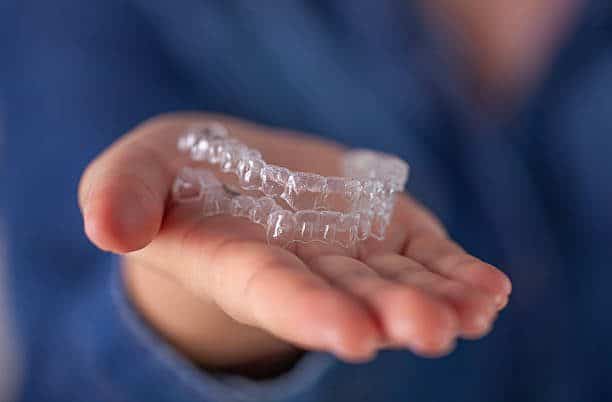
Many relapsed orthodontic cases can be treated with Invisalign, a clear aligner system that straightens teeth without metal brackets or wires. For adults in Charlotte dealing with teeth that have shifted back, Invisalign retreatment is often a practical, discreet, and effective path forward.
What Is Orthodontic Relapse?
Orthodontic relapse is when teeth shift away from their corrected positions after orthodontic treatment ends. It can happen weeks, months, or even years after braces or clear aligner treatment is complete.
Relapse is not simply the result of forgetting to wear a retainer, although retainer compliance does play a role. Teeth are surrounded by living tissue that continues to respond to pressure and change throughout your life. Understanding why relapse happens is the first step toward addressing it.
Why Teeth Naturally Want to Move Over Time
Your teeth are held in place by the periodontal ligament, a network of elastic fibers connecting each tooth to the surrounding bone. After orthodontic treatment, those fibers retain a kind of memory of where the teeth used to be and can pull them back toward their original positions.
Bone remodeling also plays a role. When teeth are moved orthodontically, the bone around them has to resorb and rebuild. That process continues well beyond the end of active treatment and can allow for small but measurable shifts.
Other natural forces that contribute to tooth movement over time include:
- Aging changes to the jaw and facial structure
- Bite forces from chewing and speaking
- Muscle pressure from the lips, cheeks, and tongue
- Continuous eruption tendencies in some teeth
Teeth remain dynamic throughout your life. Long-term orthodontic stability is a goal, but not a guaranteed permanent outcome without active retention strategies.
How Common Is Relapse After Braces or Invisalign?
Studies consistently show that some degree of post-treatment tooth movement is expected in a majority of patients. Research published in the American Journal of Orthodontics and Dentofacial Orthopedics found that patients without a retainer showed nearly three times more lower front tooth irregularity over time compared to those who maintained consistent retention.
This does not mean your smile will return to where it started. Minor relapse involves small rotations or slight crowding that may only be noticeable to you. Moderate relapse involves more visible crowding, spacing, or bite changes. Significant relapse, which is less common, may require more involved retreatment.
The important thing to know is that teeth shifting after orthodontics is not a rare or unusual outcome. It is a well-documented pattern, and retreatment options are available.
Signs Your Teeth May Be Shifting Back
Patients often notice relapses before they seek treatment. Common signs include:
- Crowding returning, especially in the lower front teeth
- Rotated teeth that were previously straight
- New spacing or gaps between teeth
- Bite changes, such as teeth not meeting the way they used to
- A retainer that no longer fits comfortably or at all
- Changes in the overall appearance of your smile
If your retainer feels tight or does not seat fully, that is often a reliable early sign that your teeth have moved. Do not force it. Instead, schedule an evaluation to assess the degree of movement and your options.
What Causes Teeth to Shift After Orthodontic Treatment?
Orthodontic relapse is usually not caused by one single factor. Most cases involve a combination of biological, mechanical, and behavioral influences. Understanding these causes can help you make informed decisions about treatment and long-term maintenance.
Not Wearing Retainers Consistently
Retainer compliance is the most commonly cited factor in orthodontic relapse. Retainers are designed to hold teeth in place after active treatment ends. Without consistent wear, teeth are free to migrate back toward their original positions.
Common reasons patients fall behind on retainer wear include:
- Losing a retainer and not replacing it promptly
- A broken retainer that is not repaired
- Gradually wearing retainers less frequently until stopping altogether
- Assuming that after several years, teeth are stable enough without support
Night retainers are among the most practical long-term retention tools. Wearing retainers every night is the standard recommendation for maintaining results after orthodontic treatment. Retainers after Invisalign serve the same purpose as retainers after braces. Both are necessary for long-term retention.
If you lost or broke a retainer years ago and have since noticed shifting, replacement retainers are available. Dr. Moore can assess whether a new retainer is sufficient or whether retreatment is needed first.
Natural Aging and Tooth Movement
Even patients who wear their retainers faithfully can experience some degree of tooth movement over time. This is because aging affects the entire oral environment, not just the teeth themselves.
As people reach their 30s, 40s, and 50s, a few natural changes occur:
- The lower arch tends to narrow slightly with age
- Crowded lower incisors are one of the most frequently seen signs of adult tooth drift
- Front teeth shifting is common, especially in the lower jaw
- Arch collapse can occur gradually due to changes in jaw density and muscle patterns
This is why adult orthodontic relapse is so common. Shifting teeth in adults is not simply a matter of not following instructions. It reflects real, ongoing changes in jaw structure and function.
Bite Imbalances and Functional Forces
Your bite plays a larger role in tooth stability than many patients realize. When the upper and lower teeth do not meet evenly, the resulting uneven bite forces can push teeth out of alignment over time.
Patients with bruxism (teeth grinding) are at particular risk. Teeth grinding and relapse are connected because the repetitive lateral forces involved in grinding can overcome the resistance of the periodontal ligament, especially if retainer wear is inconsistent.
Patients dealing with TMJ-related symptoms and bite instability may benefit from a combined approach that addresses both alignment and occlusal balance.
Bite interference and premature contacts can also redirect forces in ways that promote tooth drift. In some cases, bite correction is a meaningful part of long-term orthodontic stability. Patients dealing with TMJ-related symptoms and bite instability may benefit from a combined approach that addresses both alignment and occlusal balance.
If bite-related tooth movement is contributing to your relapse, that factor needs to be part of any retreatment plan. Smile Moore Dental evaluates bite stability as part of Invisalign consultations and can connect you with options for bite correction where needed.
Wisdom Teeth and Other Contributing Factors
Wisdom teeth are frequently blamed for orthodontic relapse, and while the evidence is mixed, there are other structural factors worth noting. Research has not conclusively proven that wisdom teeth cause crowding, but pressure from partially erupted or impacted teeth can contribute to movement in adjacent areas.
Other factors that can affect long-term tooth position include:
- Tooth loss that has not been replaced, allowing adjacent teeth to drift
- Changes in chewing patterns after extractions or failed restorations
- Dental restorations that alter the height or shape of the bite
- Gum disease that compromises the bone supporting the teeth
Can Invisalign Correct Relapsed Orthodontic Cases?
For many adults who have experienced orthodontic relapse, Invisalign is an effective retreatment option. Clear aligners for relapse treatment have become one of the more commonly recommended approaches because they are discreet, well-tolerated, and capable of producing predictable results for the types of movement typically involved in relapse cases.
Adults in Charlotte dealing with teeth that have shifted back can learn more about how Invisalign treatment works before scheduling a consultation.
Whether Invisalign is the right choice depends on the degree and nature of the relapse. Here is how the different categories generally break down.
Mild Relapse Cases
Mild orthodontic relapse is the most common presentation. This includes:
- Small amounts of crowding, often in the lower front teeth
- Minor spacing between teeth that has returned
- Slight rotations of individual teeth
For these cases, Invisalign works efficiently. The aligner series needed is typically shorter, the number of trays is lower, and treatment time is reduced. A touch-up Invisalign series or Invisalign refinement treatment may be all that is needed to restore alignment.
Patients who seek care at the first signs of shifting tend to have simpler treatment plans and faster outcomes.
Moderate Relapse Cases
Moderate relapse involves more visible changes to the smile and may include:
- Overlapping teeth and more significant crowding
- Aesthetic concerns such as a noticeably changed smile
- Bite changes that have developed alongside the tooth movement
Invisalign can address moderate relapse cases, though the treatment plan will be more involved. Orthodontic refinements may be needed partway through treatment to fine-tune results. Bite correction may also be incorporated into the aligner series where applicable. Dr. Moore uses digital orthodontic planning to map out each step of tooth movement before treatment begins, so patients have a clear picture of what to expect before the first aligner is made.
When Traditional Orthodontics May Still Be Recommended
Invisalign is a strong retreatment option, but it is not the right fit for every case. Traditional braces or other approaches may be more appropriate when relapse is severe, when there are skeletal discrepancies that cannot be addressed with aligners alone, or when cases involving overbite or underbite correction require mechanics beyond what clear aligners can provide.
Traditional braces or other approaches may be more appropriate when:
- Relapse is severe, with significant crowding or spacing across the full arch
- There are skeletal discrepancies that cannot be addressed with aligners alone
- Complex bite corrections are required that go beyond the scope of clear aligner mechanics
During your consultation, Dr. Moore will assess the full picture and give you an honest recommendation based on what your teeth actually need, not just what is most convenient.
Why Invisalign Is Popular for Adults Who Had Braces Before
Adults who already went through orthodontic treatment once are often reluctant to do it again. Invisalign for adults addresses many of the concerns that make retreatment feel like a big commitment.
Nearly Invisible Appearance
Clear aligners are designed to be discreet. For working professionals and adults who are active in social settings, the nearly invisible appearance of Invisalign makes it a practical option for orthodontic correction.
You can go through treatment without most people noticing. That matters to many adults considering Invisalign in your 30s, 40s, or 50s who do not want the visibility of metal brackets.
Removable Convenience
Invisalign aligners come out for eating, drinking, and brushing. This means no dietary restrictions and easier oral hygiene maintenance throughout treatment.
For patients with active social or professional lives, the ability to remove aligners for important meals, presentations, or events makes treatment easier to commit to consistently.
Digital Treatment Planning
One of the meaningful advantages of Invisalign retreatment is the precision of digital treatment planning. At Smile Moore Dental, treatment starts with an iTero digital scan rather than traditional impressions, making the process more comfortable and more accurate.
Those scans allow Dr. Moore to map out each stage of tooth movement before the first aligner is made, so patients have a clear picture of the plan before treatment begins. For adults who have already been through orthodontic treatment once, that kind of transparency matters.
What Does Invisalign Treatment for Relapse Look Like?
Initial Evaluation and Digital Scanning
The process starts with a thorough evaluation. Dr. Moore will examine your teeth, review your bite, and assess the degree and nature of the relapse. Digital scans capture a precise record of your current tooth positions.
This evaluation is also when any underlying bite concerns, gum health issues, or functional factors are identified. Addressing those alongside alignment gives retreatment the best chance of lasting success.
Custom Treatment Planning
Based on the digital scans and clinical evaluation, a custom Invisalign plan is designed to address your specific tooth movement goals. This includes:
- Where each tooth needs to move and by how much
- How bite position will be maintained or improved
- What the smile should look like at the end of treatment
For patients who previously had braces, this step often involves comparing current tooth positions with prior records to understand the full scope of the relapse.
Wearing Aligners and Monitoring Progress
Invisalign aligners are worn for 20 to 22 hours per day. Trays are changed on a set schedule, typically every one to two weeks, with each new set gently moving teeth closer to their target positions.
Periodic checkups at Smile Moore Dental allow Dr. Moore to monitor progress, make adjustments if needed, and ensure treatment is tracking on schedule. Most relapse retreatment patients find the process straightforward, particularly if their case is mild to moderate.
Retainers After Treatment
Once Invisalign retreatment is complete, retainers are prescribed to hold the teeth in their new positions. Long-term retention is a standard part of any orthodontic outcome, and skipping it is the most common reason teeth shift again. Dr. Moore will go over your retention options at the end of treatment and recommend a plan that fits your lifestyle.
How Long Does Invisalign Take for Relapsed Teeth?
Treatment timelines for relapse cases vary based on the extent of movement needed. Minor cases may wrap up in three to six months, while moderate cases generally take longer. How long Invisalign takes depends on several factors, including case complexity, aligner compliance, and how the teeth respond biologically.
Here is a general framework, keeping in mind that individual results depend on biology, compliance, and case complexity.
| Relapse Level | Description | Approximate Timeline |
|---|---|---|
| Minor Relapse | Small rotations, slight crowding, minor spacing | 3 to 6 months |
| Moderate Relapse | More visible crowding, bite changes, overlap | 6 to 18 months |
| Complex Relapse | Significant movement, functional bite issues | 18 months or more |
Minor Relapse Cases
Patients with minor relapse often complete Invisalign retreatment in three to six months. A shorter aligner series is typically sufficient, and the number of refinements needed is low.
Moderate Relapse Cases
Moderate cases generally take between six and eighteen months. The treatment plan is more detailed, and refinements partway through are more common. Patients are updated on progress at each checkup.
Factors That Influence Treatment Time
Several factors can affect how long Invisalign retreatment takes:
- Aligner compliance: Wearing aligners for the recommended 20 to 22 hours daily directly affects how efficiently teeth move
- Case complexity: The number and type of tooth movements required determines the number of trays in the series
- Biological response: Each patient’s bone and periodontal tissue responds at its own pace
- Whether bite correction is part of the plan
Invisalign for Relapse in Charlotte, NC
Adults across Charlotte, including patients from Eastover, Cotswold, South Charlotte, and Ballantyne, are increasingly choosing Invisalign retreatment to address teeth that have shifted years after braces or prior Invisalign treatment.
At Smile Moore Dental, Dr. Moore provides Invisalign treatment in Charlotte with a focus on personalized care and conservative treatment planning. If you are noticing that your teeth are no longer in the positions they were after your original orthodontic treatment, an evaluation can tell you where things stand and what your options are.
Early intervention makes a meaningful difference. The sooner shifting is addressed, the simpler and shorter the correction tends to be. Waiting often allows relapse to progress further, which can increase the complexity and length of retreatment.
If you have been searching for an Invisalign provider in Charlotte who takes the time to understand your history and plan your care carefully, Smile Moore Dental is a place to start that conversation.
Frequently Asked Questions About Invisalign for Relapsed Orthodontic Cases
Can Invisalign fix teeth that shifted after braces?
Invisalign treats orthodontic relapse in mild to moderate cases. Clear aligners move teeth gradually back into corrected positions, and most adult relapse cases fall within what Invisalign handles well. Severe or skeletal cases may require a different approach.
Do I need braces again if my teeth moved?
Not necessarily. Invisalign is suitable for the majority of adult relapse cases without returning to traditional braces. The right choice depends on the degree of relapse, the bite, and the nature of the tooth movement, which is why a clinical evaluation is the first step.
How long does Invisalign take for relapse cases?
Minor relapse cases may resolve in three to six months, while moderate cases generally take six to eighteen months. Complex cases involving significant movement or bite correction may take longer. Your timeline will be outlined in your treatment plan before you begin.
Will I need retainers again after Invisalign?
Yes. Retainers are required after every course of orthodontic treatment, including retreatment. Without consistent retainer wear, teeth can shift again over time. Options include removable clear retainers, or fixed bonded retainers depending on your needs.
Is orthodontic relapse permanent?
No. Teeth that have shifted back can be moved again with appropriate treatment. The degree of relapse determines how much correction is needed. Addressing shifting teeth earlier generally leads to a simpler and shorter treatment course.
Schedule an Invisalign Consultation in Charlotte
If your teeth have shifted since your last orthodontic treatment, you have options. Smile Moore Dental offers Invisalign retreatment for adults across Charlotte who are dealing with relapsed crowding, spacing, or bite changes.
During your consultation, Dr. Moore will review your current tooth positions and take digital scans to capture precise records. He will assess your bite for any functional concerns and walk you through a customized Invisalign plan based on your specific goals. Any questions about timeline, cost, and what to expect will be addressed before you leave.
Whether you had braces years ago or completed Invisalign and have noticed gradual shifting, this visit is designed to give you clear answers and a straightforward path forward.
Schedule your Invisalign consultation at Smile Moore Dental in Charlotte today. If you are in Eastover, Cotswold, or anywhere in the greater Charlotte area, our team is here to help you get your smile back on track.
