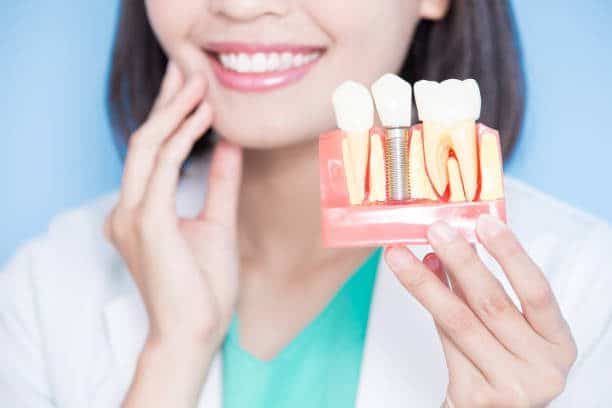
If you are considering dental implants in Charlotte, NC, you may have heard the word osseointegration. It sounds technical, but the concept is simple. Osseointegration is the biological process where a dental implant bonds directly with the jawbone. Without this process, an implant cannot become stable, functional, or long-lasting.
Dental implants do not simply sit inside the jaw. They must fuse with the surrounding bone to create a foundation strong enough to support a crown, bridge, or full arch restoration. This bone-to-implant connection is what separates implants from other tooth replacement options and what gives them their long-term track record.
For patients exploring Charlotte dental implants, understanding this healing stage helps set realistic expectations before treatment begins. The osseointegration process affects how long treatment takes, what factors your dentist evaluates beforehand, and how your care plan is built around your specific bone health.
This article covers what osseointegration means in plain terms, how long the process takes, what influences healing, what happens when integration does not go as expected, and how an experienced implant dentist in Charlotte supports successful outcomes from the start.
What Is Osseointegration in Dental Implant Treatment?
Osseointegration is the direct structural and biological connection between living bone tissue and the surface of a dental implant. In implant dentistry, osseointegration is the foundational event that makes the entire treatment possible. An implant post placed in the jaw has no function until the surrounding bone accepts it, grows around it, and locks it in place.
Implant stability develops in two stages. Primary implant stability comes immediately after placement and depends on how well the implant physically grips the bone during surgery. Secondary implant stability develops over the following weeks and months as bone cells grow onto and into the implant surface, creating biological anchorage. Long-term implant stability depends on secondary stability, which only comes through successful osseointegration.
How the Implant Post Bonds with the Jawbone
Most dental implants are made from titanium, a biocompatible material that the body does not recognize as foreign. When a titanium implant is placed in the jaw, bone cells gradually migrate to the implant surface and attach to it. Over time, the bone grows into the microscopic texture of the implant, creating a strong implant-to-bone connection.
This is not an instant process. Bone healing around the implant follows a natural biological timeline. New bone formation begins in the weeks after surgery, and bone maturation continues for several months. The result is hard tissue integration that anchors the implant as firmly as a natural tooth root.
The surface texture of modern implants is designed specifically to support this process. Roughened or treated surfaces increase bone-to-implant contact and give bone cells more area to attach. This is one reason why implant surface integration has improved significantly with advances in implant technology.
Why Osseointegration Makes Dental Implants Different from Dentures or Bridges
Removable dentures rest on top of the gum tissue. They do not interact with the jawbone and provide no stimulation to prevent bone loss over time. Traditional bridges rely on neighboring teeth for support, which requires those teeth to be modified.
Dental implants are the only tooth replacement option that integrates with the jawbone itself. This bone integration is what allows implants to function like natural tooth roots and helps preserve the alveolar bone after a tooth is lost.
Patients who want the stability of implants with the coverage of a full arch prosthesis often ask about implant-supported dentures, which work differently from conventional removable options because they attach directly to the bone through osseointegration.
Why Osseointegration Is Important for Long-Term Implant Success
The dental implant success rate is closely tied to how well osseointegration occurs. When bone heals fully around an implant, the result is a stable, load-bearing structure that can support normal chewing, speaking, and daily function for many years. When osseointegration is incomplete, the implant lacks the foundation it needs.
Long-term implant success depends on more than the surgery itself. It depends on the quality of bone healing that follows.
Stable Implants Support Stronger Chewing Function
An integrated implant transfers chewing forces through the implant post and into the jawbone, similar to how a natural tooth root works. This gives patients a more reliable chewing function compared to prosthetics that rely on gum support or adhesives.
The implant-to-bone connection created through osseointegration makes this possible. Without it, the implant would not have the load-bearing support needed to handle daily function.
Bone Integration Helps Prevent Implant Movement
During the healing phase, implant micromovement is one of the factors that can disrupt osseointegration. If an implant shifts before bone has fully grown around it, the biological bonding process can be interrupted.
This is why dentists give specific care instructions after implant placement. Protecting primary implant stability while secondary stability develops through bone formation is a key part of implant failure prevention. Once full integration is achieved, the implant becomes firmly anchored in the jaw and resistant to movement under normal function.
Successful Osseointegration Supports Implant Crowns, Bridges, and Dentures
Osseointegration is the biological requirement for every type of implant restoration. Whether a patient is receiving a single implant crown in Charlotte, a multi-tooth implant bridge, implant-supported dentures, or full mouth dental implants in Charlotte, NC, the final prosthesis can only be placed and function properly once the implant has bonded with the bone.
For full arch cases, the same principle applies. The implant posts must be fully integrated before final prosthetics are attached, regardless of the restoration type.
How Long Does Osseointegration Take After Dental Implant Placement?
One of the most common questions patients ask during the dental implant process in Charlotte is how long healing takes. The honest answer is that it varies, but the osseointegration phase typically spans several months for most patients.
Timeline depends on bone quality, implant location, the patient’s overall health, and whether any additional procedures like bone grafting were needed beforehand.
Typical Healing Timeline for Single Tooth Implants
For a single-tooth dental implant in Charlotte, osseointegration generally takes three to six months before the permanent crown is placed. During this time, the bone is healing around the implant and building the hard tissue integration needed for long-term stability.
A temporary restoration may be placed during healing so the patient does not go without a tooth, but the final implant crown is only attached once the dentist confirms that integration is progressing well. Healing time is influenced by bone density, where in the mouth the implant is placed, and whether the patient had adequate bone volume from the start.
Healing Timeline for Full Arch Dental Implants
Full arch restoration cases, including All-on-4 dental implants in Charlotte and similar approaches, often involve provisional teeth that are placed shortly after surgery. This gives patients functional teeth during healing, but it is not the same as the final prosthesis.
Biological osseointegration continues underneath the provisional restoration. The implant posts are still going through the bone healing process, and full arch implant planning always accounts for this integration period before final teeth are delivered. Patients should understand that receiving provisional teeth early does not mean the implants have already fully bonded with the bone.
Why Some Patients Need More Time Before the Final Restoration
Several factors can extend the osseointegration timeline:
- Bone grafting: If a bone graft was placed to build up the jaw before or during implant surgery, additional healing time is needed before the graft matures and can support an implant fully.
- Sinus lift procedures: Patients who need a sinus lift to create adequate bone height in the upper jaw may require a longer healing phase.
- Smoking: Tobacco use affects blood flow and can slow the bone repair process, increasing the time needed for successful integration.
- Gum disease history: Patients with a history of periodontal disease may have softer or less dense bone that heals more slowly.
- Low bone density: Reduced bone volume or quality affects how quickly and how firmly bone can grow around the implant.
- Medical factors: Certain medications and systemic health conditions can influence the rate of bone healing and implant integration.
What Factors Affect Osseointegration Success?
Several biological, behavioral, and clinical factors influence whether osseointegration succeeds. Understanding these factors helps patients make informed decisions and helps dentists build realistic, individualized treatment plans.
Jawbone Density and Bone Volume
Bone density and bone volume are two of the most direct influences on implant stability factors. Dense, healthy bone gives the implant a firm grip at placement and provides the tissue needed for bone growth around the implant over time.
When bone height or bone width is insufficient, the implant may lack the support it needs. In these cases, a bone grafting procedure may be recommended to rebuild the alveolar ridge before implant placement. Patients who want to understand what that involves can find a detailed overview in our article on bone grafting for dental implants.
Gum Health and Infection Control
Peri-implant health starts with healthy gum tissue. Active gum disease or infection in the area around the implant site creates a direct risk to osseointegration. Bacteria that cause periodontal disease can affect the healing environment and increase the risk of peri-implantitis, an inflammatory condition that leads to bone loss around the implant.
Patients with a history of gum disease are not automatically disqualified from implants, but a periodontal evaluation and any necessary treatment should be completed before implant surgery. Managing peri-implant bone and gum health after implant placement is just as important as the preparation that happens before surgery.
Smoking, Diabetes, and Medical Factors
Smoking and dental implants are a well-documented concern. Tobacco use reduces blood flow to the gums and bone, which slows the bone healing timeline and increases the risk of failed osseointegration. Patients who smoke have a higher rate of early implant failure compared to non-smokers.
Diabetes and implant healing is another area dentists assess during treatment planning. Uncontrolled blood sugar can impair immune health and slow tissue repair, which affects the bone formation process around the implant. Patients with well-managed diabetes can often still be good implant candidates, but close coordination with their medical provider may be part of the plan.
Other medical factors, including certain medications that affect bone density and immune function, are reviewed during the implant evaluation to understand how they may influence healing.
Implant Placement Accuracy and Digital Planning
Where an implant is placed, at what angle, and with how much initial stability all affect the osseointegration outcome. Implant placement accuracy influences bone-to-implant contact, how bite forces are distributed on the restoration, and long-term implant durability.
Modern dental implants in Charlotte increasingly rely on CBCT imaging and digital implant planning to evaluate bone height, width, density, and proximity to anatomical structures before surgery. Guided implant surgery using a surgical guide allows the dentist to place each implant in the exact planned position, reducing variability and supporting better integration conditions.
Advanced implant dentistry in Charlotte combines this digital planning with personalized treatment design to give each patient the best possible foundation for successful osseointegration.
What Happens If a Dental Implant Does Not Osseointegrate?
Failed osseointegration does happen, though it is uncommon when cases are properly evaluated and planned. Understanding what implant failure looks like helps patients know when to contact their dentist during the healing phase.
Early Signs an Implant May Not Be Integrating Properly
Most patients experience some soreness and mild swelling in the days immediately after implant surgery. This is a normal part of healing after implant surgery.
Signs that may indicate implant complications include:
- Implant mobility: A stable implant should not move. Noticeable movement is a warning sign of failed bone integration.
- Persistent or worsening pain: Discomfort that does not improve after the initial healing period, or pain that returns after feeling better, warrants professional evaluation.
- Swelling or inflammation that does not resolve: Ongoing gum infection around the implant or visible inflammation may indicate peri-implant mucositis or early peri-implantitis.
- A sensation that something is wrong: Patients know their own comfort. Any concern about implant healing should be evaluated promptly rather than ignored.
These signs do not always mean the implant has failed, but they should not be left unaddressed. Early evaluation gives the best chance of addressing problems before they progress.
Can a Failed Implant Be Replaced?
In many cases, yes. If an implant does not integrate and needs to be removed, the area is allowed to heal. Depending on the amount of bone remaining, a bone graft may be placed to rebuild the site. Once healing is complete, a new implant may be placed.
Implant re-treatment outcomes depend on what caused the original failure, the patient’s overall bone health, and whether the underlying factors can be addressed before a second attempt. An experienced implant dentist in Charlotte can evaluate the situation and discuss whether implant revision is a reasonable option.
How Charlotte Implant Dentists Support Successful Osseointegration
Successful osseointegration does not happen by chance. It is the result of thorough evaluation, precise planning, skilled placement, and ongoing follow-up. At Smile Moore Dental, the approach to implant dentistry in Charlotte NC is built around understanding each patient’s bone structure, health history, and restoration goals before any treatment begins.
3D Imaging and Bone Evaluation
CBCT (cone beam computed tomography) imaging gives a three-dimensional view of the jaw that a standard X-ray cannot provide. This imaging allows the dentist to evaluate bone height, bone width, bone density, and the position of nearby anatomical structures such as nerves and the sinus floor.
This information directly shapes implant treatment planning. It helps determine whether the patient has adequate bone volume, whether grafting is needed, and where each implant should be placed to maximize bone-to-implant contact and long-term stability.
Personalized Implant Planning
No two patients have the same bone structure, bite, or restoration needs. Personalized implant planning accounts for the full picture: bone quality and quantity, occlusion and bite forces, the type of restoration being placed, and any systemic factors that may influence healing.
For patients considering full arch dental implants in Charlotte, NC, this planning stage is especially detailed. The position, angulation, and number of implants must all support the final prosthesis and distribute forces across the jaw in a way that protects long-term implant survival.
Post-Placement Follow-Up and Maintenance
Osseointegration is not something that happens and then stops. Bone continues to remodel around the implant over time, and the health of the surrounding tissue matters throughout the life of the restoration.
Follow-up visits after implant surgery allow the dentist to monitor implant healing stages, evaluate peri-implant health, and confirm that integration is progressing as expected. Long-term implant maintenance, including professional cleanings and periodic imaging, helps protect the bone foundation and catch any early signs of bone loss around the implant.
FAQs About Osseointegration and Dental Implants in Charlotte
What is osseointegration?
Osseointegration is the biological bonding process between a dental implant and the surrounding jawbone. Dental implant stability depends on successful osseointegration. When bone cells grow onto and into the implant surface, they create the jawbone support that makes the implant function like a natural tooth root.
How long does osseointegration take?
Osseointegration typically takes several months, though the exact timeline varies. Healing time depends on bone quality, the location of the implant in the jaw, and the patient’s overall health. Final restoration timing, including when a permanent implant crown can be placed, depends on confirmed implant stability.
Can osseointegration fail?
Osseointegration can fail when implant stability or the healing environment is compromised. Implant failure risk increases with factors like active infection, smoking, insufficient bone support, or uncontrolled systemic health conditions. Proper planning and patient evaluation improve osseointegration success rates significantly.
Is osseointegration painful?
Osseointegration is a natural bone healing process. Most patients experience mild post-surgical soreness in the first few days, which is expected. The integration phase itself does not typically cause ongoing pain. Persistent pain or discomfort after the initial recovery period requires dental evaluation to rule out complications.
Does bone grafting help osseointegration?
Bone grafting increases the available jawbone support in areas where bone volume is insufficient. Improved bone volume supports implant stability and creates better conditions for osseointegration. A stronger bone foundation improves the environment in which the implant-to-bone connection forms and matures.
Schedule a Dental Implant Consultation in Charlotte, NC
If you are exploring tooth replacement in Charlotte, NC, understanding osseointegration is the first step toward making a confident decision about implants. The success of any implant, whether it is a single tooth implant, implant-supported dentures, or full arch dental implants in Charlotte, NC, starts with what happens at the bone level during healing.
At Smile Moore Dental, Dr. Moore takes the time to evaluate your bone health thoroughly, review your full medical and dental history, and build a treatment plan designed around your individual needs. Using CBCT imaging and digital implant planning, every case is approached with the detail and precision that successful osseointegration requires.
Patients from Eastover, Cotswold, and across Charlotte choose Smile Moore Dental for implant dentistry because they want a dentist who explains their options clearly and plans treatment carefully from the start.
To schedule a dental implant consultation in Charlotte, contact Smile Moore Dental today. Whether you are just beginning to research implants or you are ready to move forward, our team is here to answer your questions and help you understand what treatment would look like for your smile.
