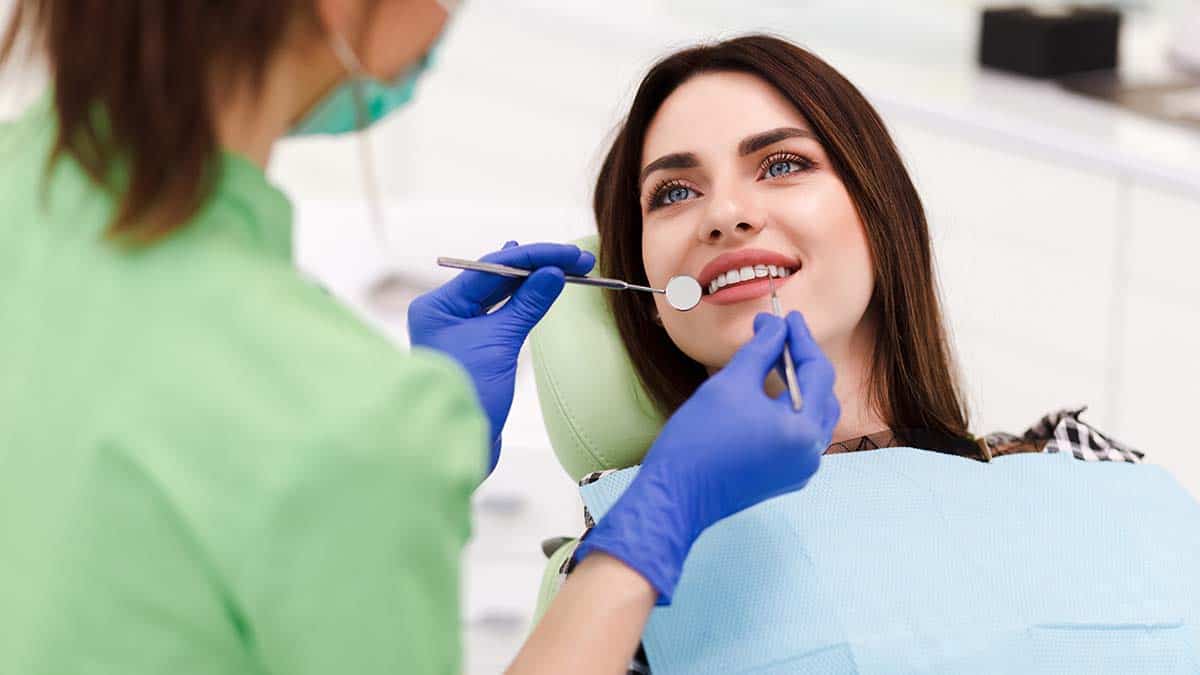
Biomimetics in dentistry is a modern approach that mimics nature to restore teeth with less drilling, longer-lasting results, and improved function. This method focuses on preserving your natural tooth structure by using materials and techniques that behave like real enamel and dentin. At Smile Moore Dental in Charlotte, we have adopted biomimetic principles to help our patients achieve healthier, more resilient smiles. While we offer same-day crowns when a full-coverage restoration is necessary, we prioritize biomimetic techniques like onlays, inlays, or bonded fillings whenever possible to conserve your natural tooth. This allows us to rebuild only the damaged areas with minimal removal of healthy structure.
Throughout this article, we will walk you through what biomimetics means, how it improves treatment outcomes, and why more Charlotte patients are choosing this forward-thinking method. If you are looking for dental care that is backed by science and designed to last, biomimetics may be the right solution for you.
What Is Biomimetics and Why Is It Important in Modern Dentistry?
Biomimetics in dentistry is a modern approach that uses tooth-conserving techniques and advanced materials to repair teeth in a way that mimics their natural structure and strength. At Smile Moore Dental, we use adhesive bonding and layered materials that act like real enamel and dentin, maintaining as much of your natural tooth as possible while rebuilding the damaged area.
What is biomimetic restorative dentistry?
Biomimetic restorative dentistry applies these techniques specifically to tooth repair. We use materials that flex and compress like natural tooth layers, reducing stress and extending the life of your restoration. You can read more about our biomimetic restorative dentistry in Charlotte in this guide.
Is biomimetic dentistry legitimate?
Yes, biomimetic dentistry is based on decades of research and clinical success. It is backed by studies showing improved longevity of restorations, reduced root canals, and better outcomes for patients.
Is biomimetic dentistry safe?
Absolutely. In fact, because we avoid unnecessary drilling and trauma to the tooth, it is often safer than traditional methods. We use biocompatible bonding agents and materials designed to integrate seamlessly with your natural tooth.
How Biomimetic Dentistry Helps Dentists Understand Patient Needs Better
Biomimetics in dentistry enhances our ability to diagnose and treat patients by focusing on the tooth as a dynamic, living structure. At Smile Moore Dental, this approach allows us to avoid unnecessary drilling and plan restorations based on how real teeth respond to stress and damage.
How does biomimetic dentistry differ from traditional dentistry?
Traditional dentistry often involves removing more of the healthy tooth to place a crown or filling. Biomimetic dentistry takes the opposite approach, we conserve the healthy structure and restore only what is damaged. This reduces long-term complications and helps you avoid procedures like root canals or tooth extractions.
Is biological dentistry different from biomimetic dentistry?
Yes. While they may sound similar, biological dentistry focuses on using non-toxic materials and holistic methods, often considering whole-body health. Biomimetic dentistry, on the other hand, focuses on replicating the mechanical and structural behavior of natural teeth using modern materials.
Is biomimetic dentistry a good approach for long-term oral health?
Absolutely. Because biomimetic techniques protect your tooth’s structure and reduce the risk of future cracks or infections, they promote long-term stability. Patients often experience fewer follow-up treatments, less sensitivity, and stronger, more natural-feeling restorations.
Key Technological Advancements in Biomimetic Dental Treatment
Biomimetics in dentistry has advanced significantly thanks to modern tools that support minimally invasive, highly accurate treatments. At Smile Moore Dental in Charlotte, we use these technologies to replicate the function and strength of natural teeth with precision.
What tools or techniques are used in biomimetic dentistry?
We use specialized biomimetic materials in dentistry, including layered composite resins and flexible bonding agents that mimic the properties of enamel and dentin. These materials expand and contract like your natural tooth, reducing the chance of cracks or leaks.
Is biomimetic dentistry anything new?
Biomimetic principles have been studied since the 1950s, but only in the last two decades have the materials and techniques advanced enough for routine clinical use. The growing demand for conservative, long-lasting restorations has accelerated adoption in dental practices across the U.S., including ours here in Charlotte.
What makes biomimetic treatment more advanced than traditional care?
Traditional care often uses rigid crowns or amalgam fillings that do not flex with your tooth, leading to stress fractures or recurrent decay. Biomimetic treatment adapts to your natural bite forces and movement, reducing long-term wear and complications. We also integrate tools like 3D scanning and digital technology for precise planning and better bonding outcomes.
How Biomimetic Imaging & Scanning Improve Dental Diagnosis in Charlotte
Biomimetics in dentistry depends on precision, and that starts with the way we diagnose and plan your treatment. At Smile Moore Dental in Charlotte, we use advanced imaging and scanning tools that align with biomimetic principles to capture detailed views of your teeth and structure, without unnecessary radiation or invasive techniques.
What role does technology play in biomimetic imaging?
Technology allows us to see exactly what is happening inside your tooth, before symptoms even appear. We use digital imaging, including high-resolution X-rays and intraoral cameras, to assess cracks, decayed tissue, or bonding breakdowns. These tools let us plan conservative restorations that target only the damaged areas.
How do 3D scans support personalized dental planning?
3D scanning provides a full digital model of your tooth, enabling us to restore it in layers that replicate how enamel and dentin naturally behave. These scans guide us in placing biomimetic materials in dentistry where they are needed most, preserving as much healthy tissue as possible.
For example, our use of advanced scanning and digital tools helps us avoid placing large, unnecessary crowns by offering minimally invasive bonded restorations instead. This improves accuracy, reduces errors, and leads to more durable results.
Real-World Applications: How Biomimetics Leads to Personalized Dental Treatments
Biomimetics in dentistry provides real-world solutions for patients who want restorations that are stronger, safer, and more natural. At Smile Moore Dental in Charlotte, we apply these principles to a wide range of restorative procedures, from repairing cavities to rebuilding fractured molars, without compromising healthy tooth structure.
Is biomimetic dentistry effective for dental restorations?
Yes. Biomimetic techniques produce long-lasting restorations by reducing internal stress, sealing the tooth more effectively, and preserving natural biomechanics. Instead of relying on rigid crowns, we use techniques like onlays, inlays, and bonded composites that blend seamlessly into the natural tooth. You can explore more about our restorative dentistry options that support biomimetic outcomes.
Is the biomimetic approach successful in practice?
Absolutely. Decades of research and clinical use show significantly lower failure rates compared to traditional full-coverage crowns. In our experience, patients in Charlotte benefit from fewer root canals, reduced post-op sensitivity, and greater tooth longevity. Studies published by the Academy of Biomimetic Dentistry support these outcomes with data showing less retreatment and more stable long-term results.
What types of treatments benefit most from biomimetics?
We use biomimetics in a variety of cases:
- Cracked or fractured teeth
- Large cavities that do not yet need a crown
- Replacing old, leaking fillings
- Post-root canal sealing and protection
- Adhesive bridges for missing teeth
Because the method is conservative, patients with moderate to severe decay often qualify for these treatments when they otherwise would have needed crowns.
What Does Biomimetic Dentistry Cost in Charlotte?
Biomimetics in dentistry can cost more upfront compared to traditional fillings and crowns, but the long-term value often outweighs the initial investment. At Smile Moore Dental in Charlotte, we believe in transparent, value-based care that minimizes future dental work.
Is biomimetic dentistry more expensive than traditional treatment?
Biomimetic dental restorations often cost more initially due to the use of advanced bonding systems, layered composite materials, and the time-intensive nature of the process. For example, simple biomimetic fillings in Charlotte typically range from $200–$400, while partial-coverage restorations (onlays and inlays) average $700–$1,200.
Is biomimetic dentistry worth the cost in Charlotte?
Yes. While the upfront price may seem higher, biomimetic treatments have been shown to last 20 years or more, often avoiding future procedures like crowns, root canals, or extractions. Over a patient’s lifetime, this can translate into fewer appointments, less invasive treatments, and lower total costs.
Cost vs. Value: Biomimetic Dentistry at Smile Moore Dental
- Initial investment: $200–$400 for composite fillings; $700–$1,200 for onlays/inlays
- Coverage: Many procedures are eligible for standard insurance codes, ask us for reimbursement support
- Long-term value: Durable restorations reduce the need for future intervention
- Financing options: We offer flexible payment plans to align care with your budget
Choosing a Biomimetic Dentist in Charlotte
Biomimetics in dentistry requires training, precision, and a commitment to conservative, science-based care. At Smile Moore Dental in Charlotte, our team has studied biomimetic protocols extensively and integrates them into everyday restorative procedures.
How do I find a biomimetic dentist near me in Charlotte?
Finding a dentist trained in biomimetic dentistry involves more than just a Google search. Look for professionals affiliated with the Academy of Biomimetic Dentistry (ABD) or those who specialize in adhesive and minimally invasive restorative techniques. At our Charlotte office, we apply these principles daily to provide durable, personalized care.
What qualifications should a biomimetic dentist have?
A qualified biomimetic dentist will have:
- Training in adhesive bonding protocols
- Experience with partial-coverage restorations like onlays and inlays
- Access to advanced imaging and scanning tools
- Use of biomimetic materials in dentistry
- Membership in organizations such as the ABD
We’re proud to offer biomimetic dentistry in Charlotte using these exact standards. Every treatment is planned with precision, patient comfort, and long-term success in mind.
Why Choose Smile Moore Dental for Biomimetic Care:
- Personalized treatment planning based on tooth preservation
- Experience with advanced adhesive and restorative methods
- Focus on patient education and prevention
- Convenient Charlotte location with digital diagnostic tools
Common Questions About Biomimetic Dentistry in Charlotte
What is biomimetic dentistry?
Biomimetic dentistry is a method of restoring teeth using materials and techniques that mimic the natural properties of enamel and dentin. It focuses on preserving healthy tooth structure and creating long-lasting, tooth-colored restorations.
Is biomimetic dentistry legitimate?
Yes. Biomimetic dentistry is supported by decades of research and clinical success. It is a recognized treatment approach focused on minimizing invasive procedures and improving long-term outcomes.
What is biomimetic restorative dentistry?
Biomimetic restorative dentistry refers to using biomimetic techniques specifically for tooth repair. It includes layered restorations, flexible adhesives, and minimally invasive preparation that restores natural function.
Is biomimetic dentistry more expensive than traditional dentistry?
It can be slightly more expensive upfront due to the time and materials involved. However, it often reduces the need for future dental procedures, making it a cost-effective option over time.
How does biomimetic dentistry differ from traditional dentistry?
Unlike traditional methods that may remove significant tooth structure for crowns, biomimetic dentistry aims to preserve as much of the tooth as possible. It uses bonded, flexible restorations that integrate with the tooth’s natural movement and strength.
Why Biomimetic Dentistry Is the Future of Dental Care
Biomimetics in dentistry is changing the way we treat teeth. Instead of using old methods that can remove healthy parts of the tooth, we now use safer, more advanced techniques that help your tooth stay strong and last longer. At Smile Moore Dental in Charlotte, we use biomimetic dentistry every day to help patients avoid crowns, reduce the need for root canals, and feel more confident about their smiles.
If you have ever had a filling break or a crown that did not feel right, biomimetic care may be a better option. This approach saves more of your natural tooth, reduces pain, and leads to fewer future dental visits. Schedule a consultation at Smile Moore Dental in Charlotte to see if biomimetic dentistry is right for you. We will explain your options and design a plan that protects your teeth while giving you a healthy, lasting smile.
